Manu Fly to the Sea
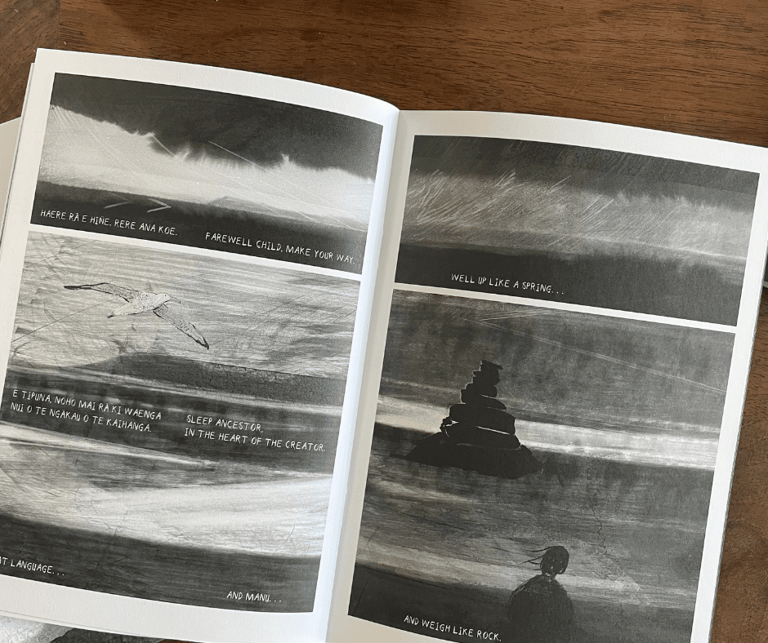
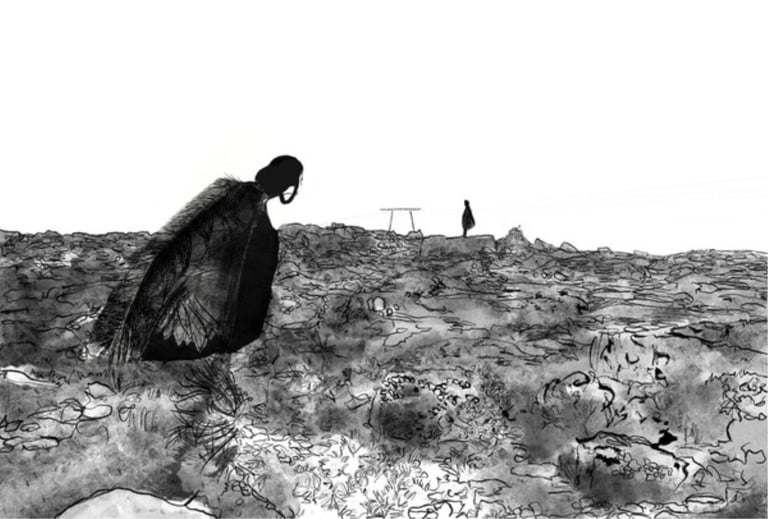
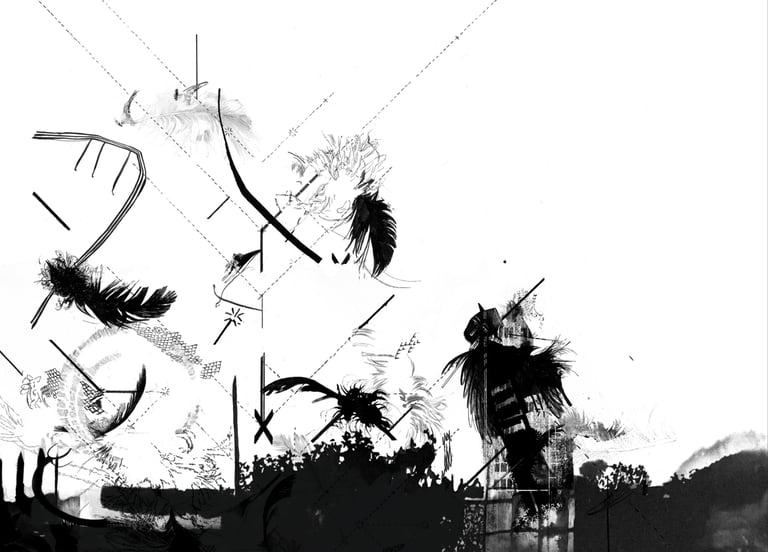
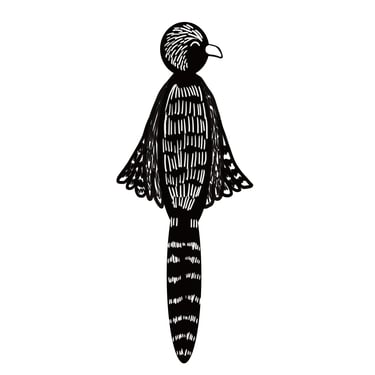
Manu Fly to the Sea is a personal story of rootlessness, identity, home, love, loss, erasure and resistance.
12/8/20252 min read
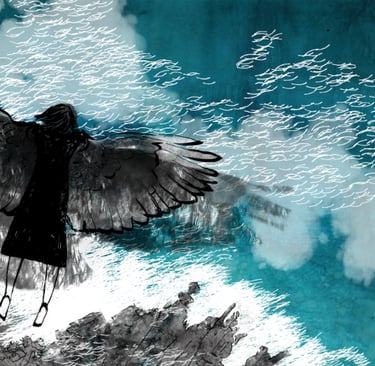
Manu Fly to the Sea
Storytelling as a practice of sovereignty.
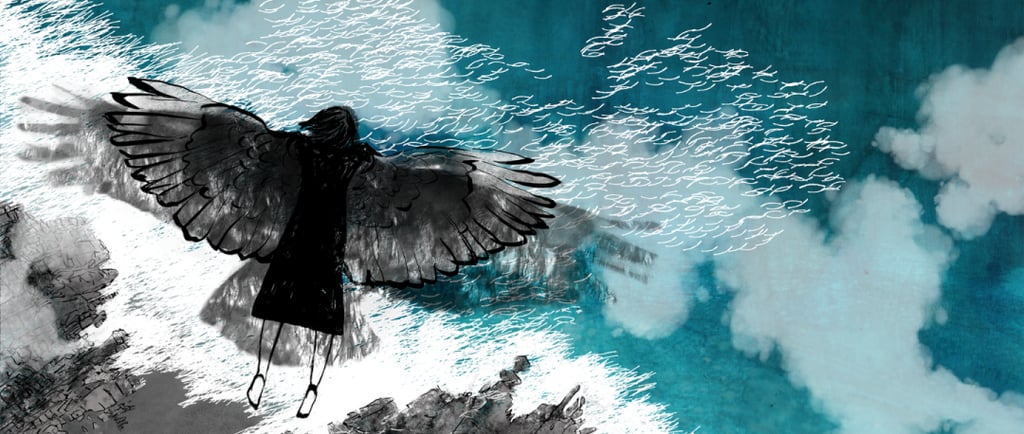
Can North and South hold each other? Can earth and sky touch? Loving someone you will never see again, and whose laughter now exists only in your memories.
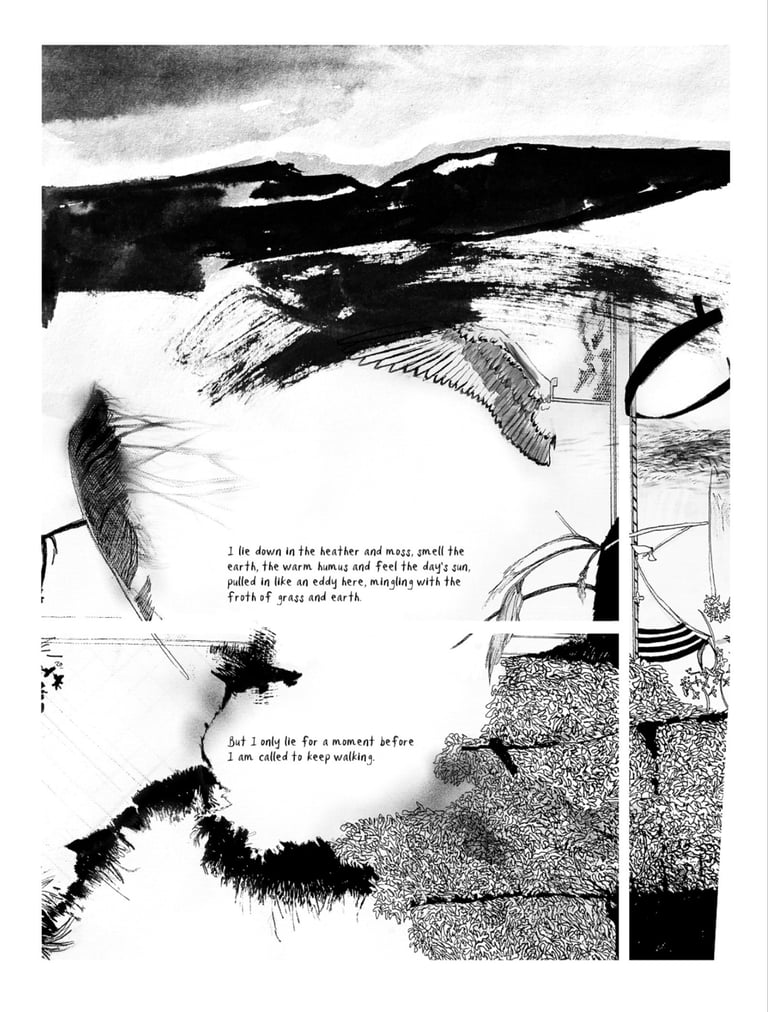
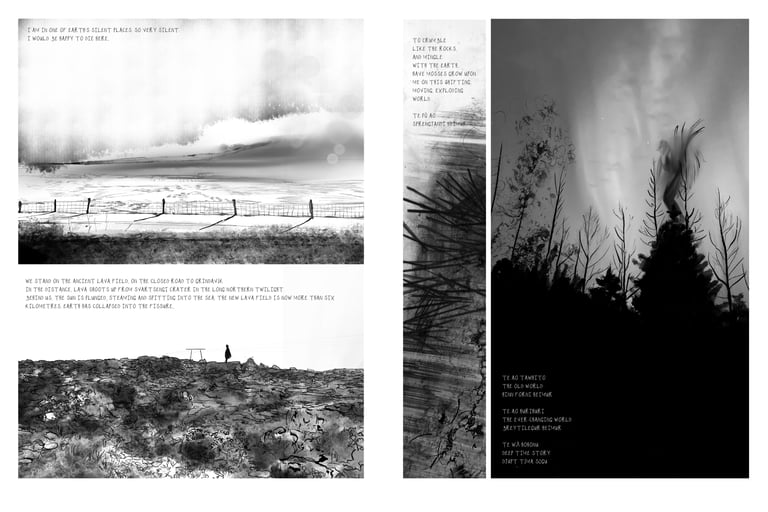
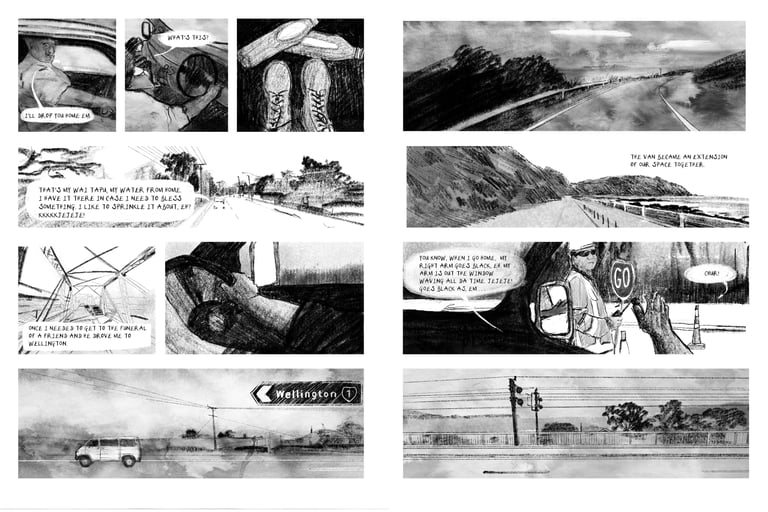
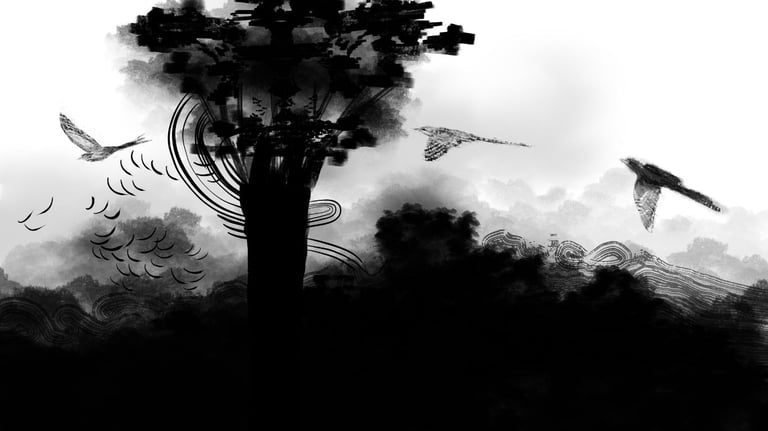
Manu Fly to the Sea is an evolving graphic narrative developed through my practice-based PhD research. It is a story told across multiple threads, scales, and registers, moving between the personal and the collective, the intimate and the historical. At its centre is the return of a taonga to its iwi in Aotearoa New Zealand, a journey that opens questions about sovereignty, inheritance, and who holds the right to tell a story.
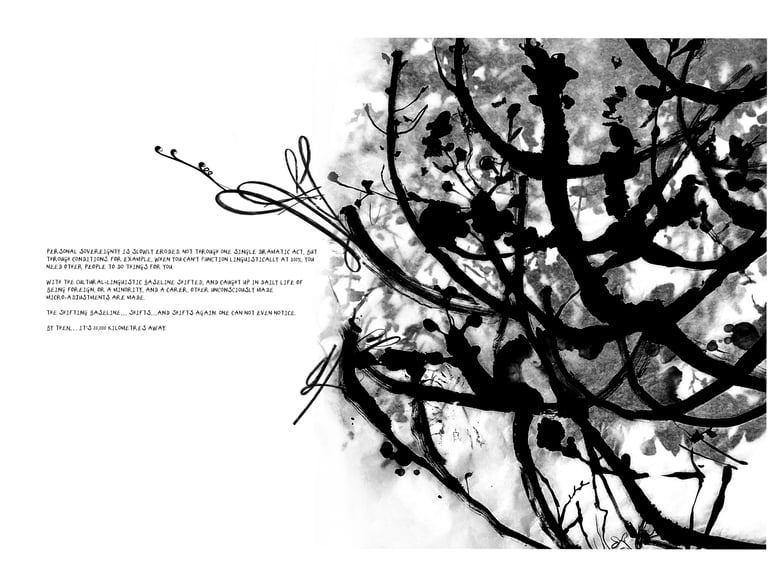
One strand of the work sits at a national level, engaging with the long histories of colonisation, narrative control, and collective amnesia that shape how certain stories are remembered, misremembered, or erased altogether. The project considers how sovereignty over land is entangled with sovereignty over story, and how official histories often smooth over violence, loss, and resistance in favour of coherence and comfort. Against this, Manu Fly to the Sea attends to what persists: the quiet, relational acts of care, refusal, and remembering that have continued despite systemic attempts at erasure.
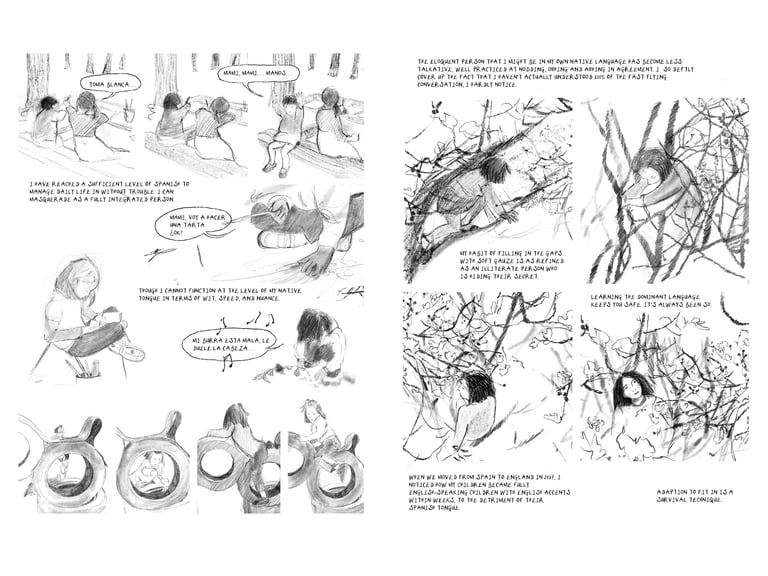
Running alongside this is a more personal thread. The work draws on my own lived experiences of silencing, psychological constraint, and the slow, often non-linear work of reclaiming voice. These experiences are not positioned as analogy or metaphor, but as another site where power operates and where resistance quietly unfolds. The book holds these narratives together without forcing resolution, allowing them to sit in proximity, tension, and mutual illumination.
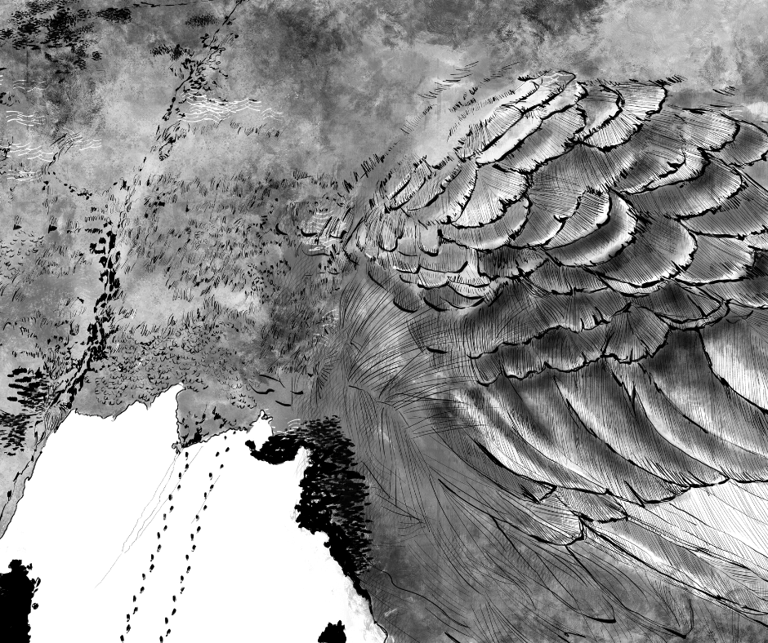
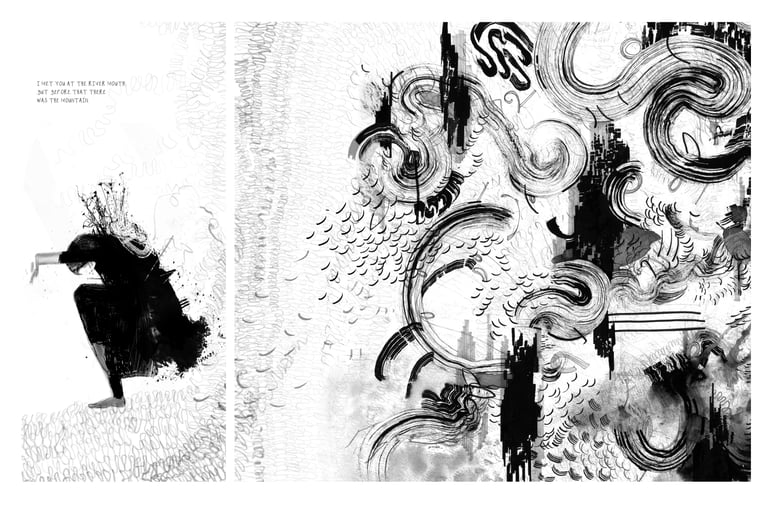
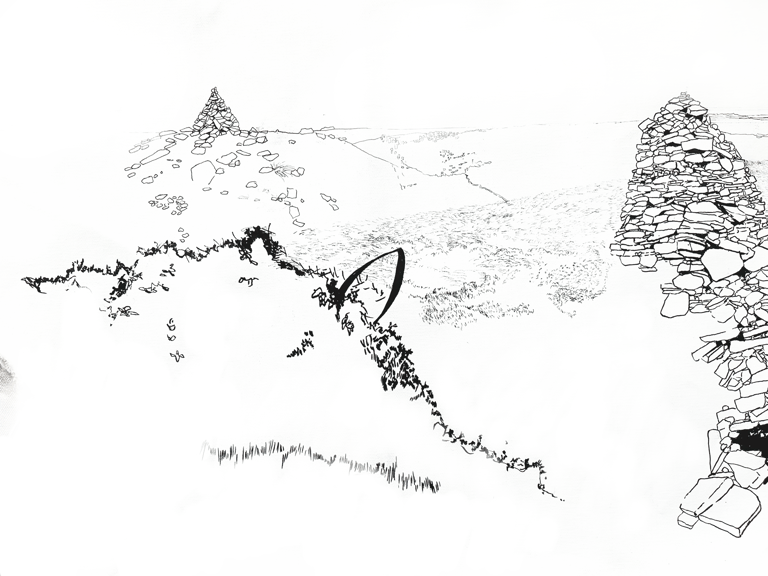
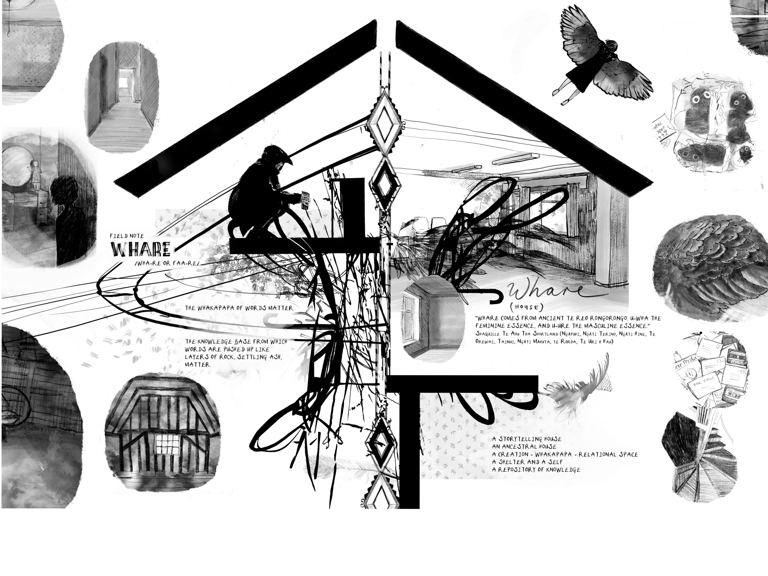
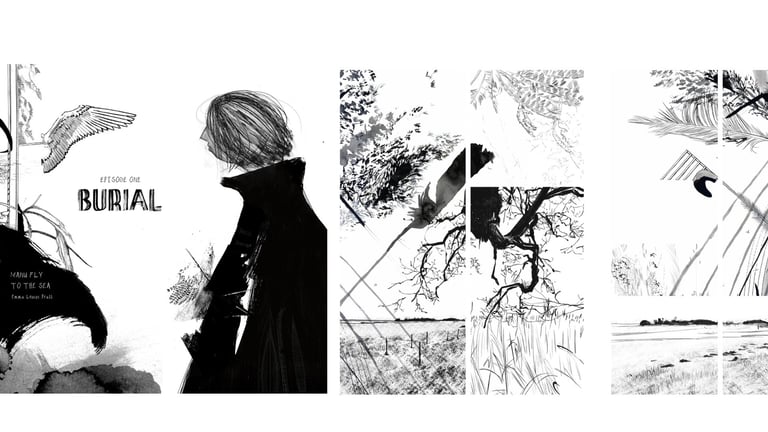
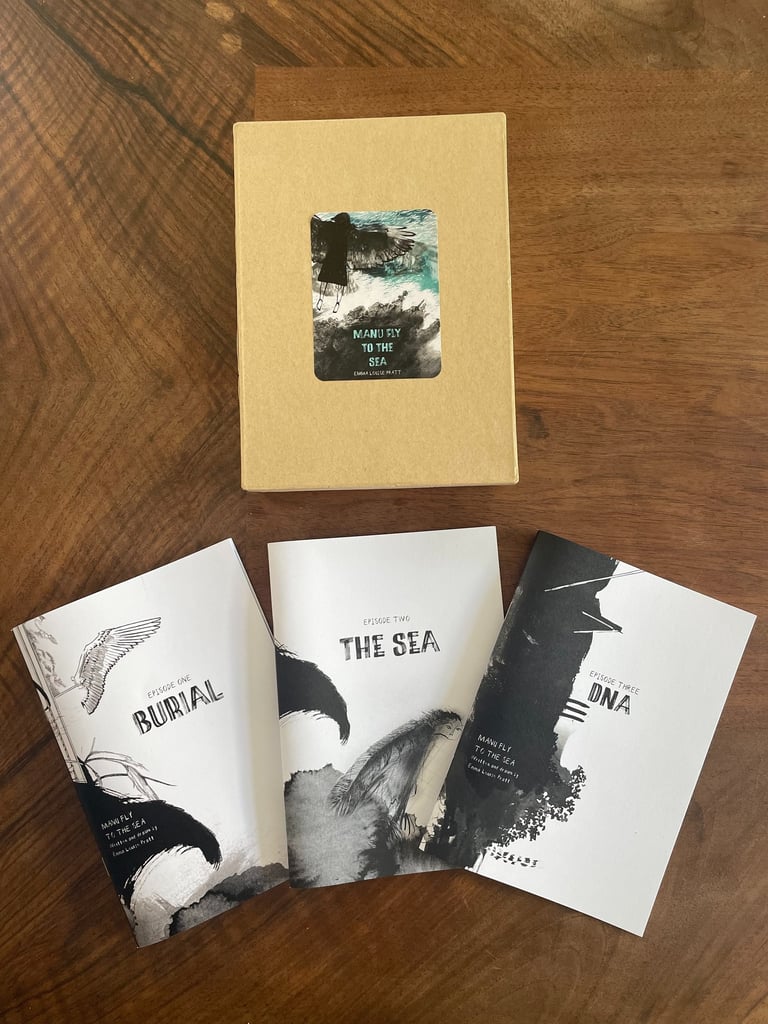
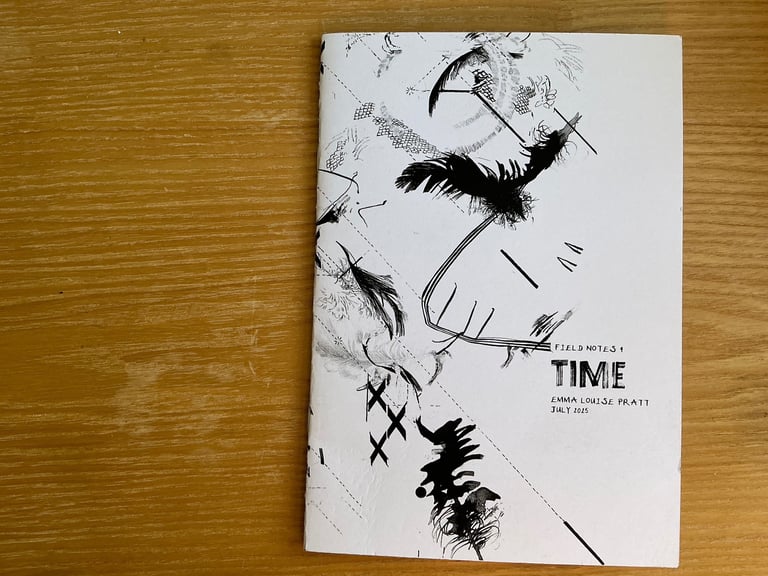
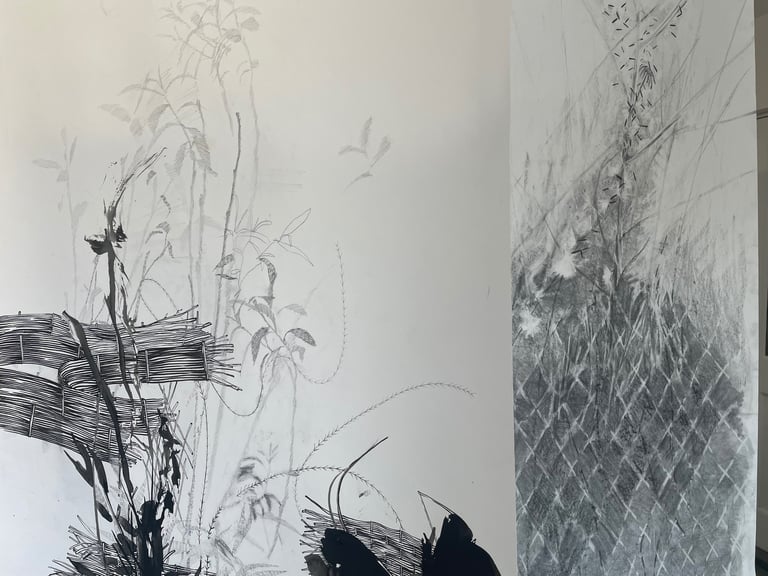
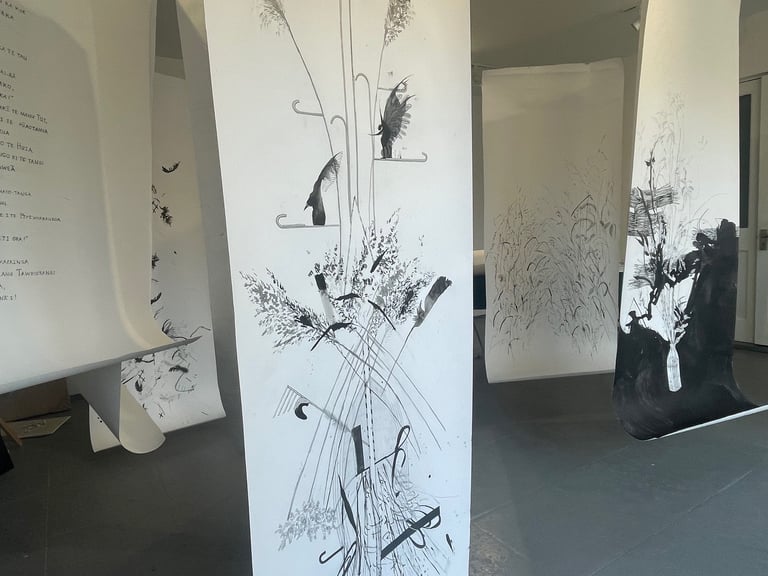
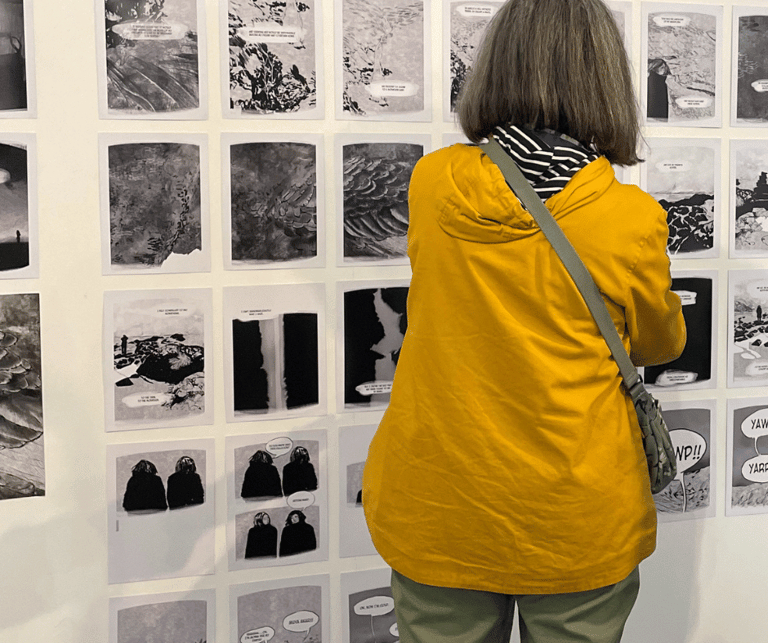
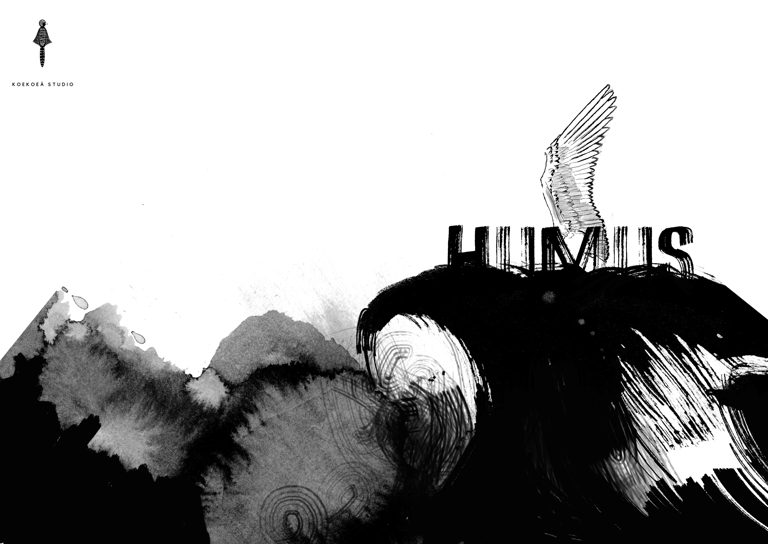
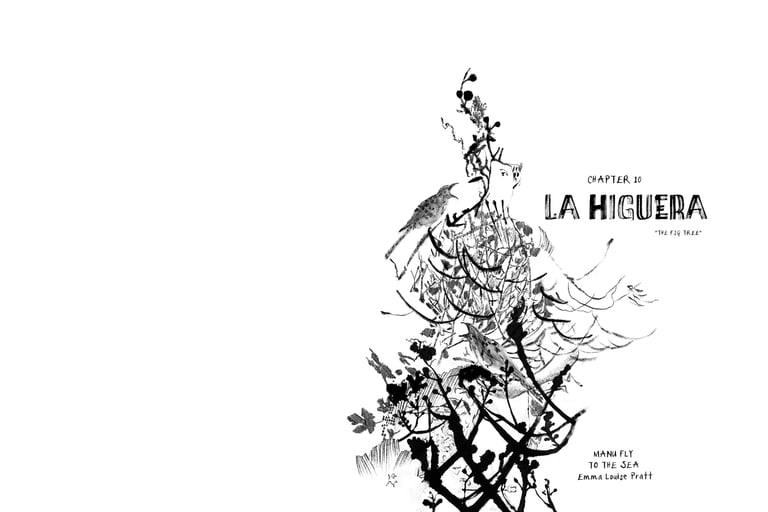
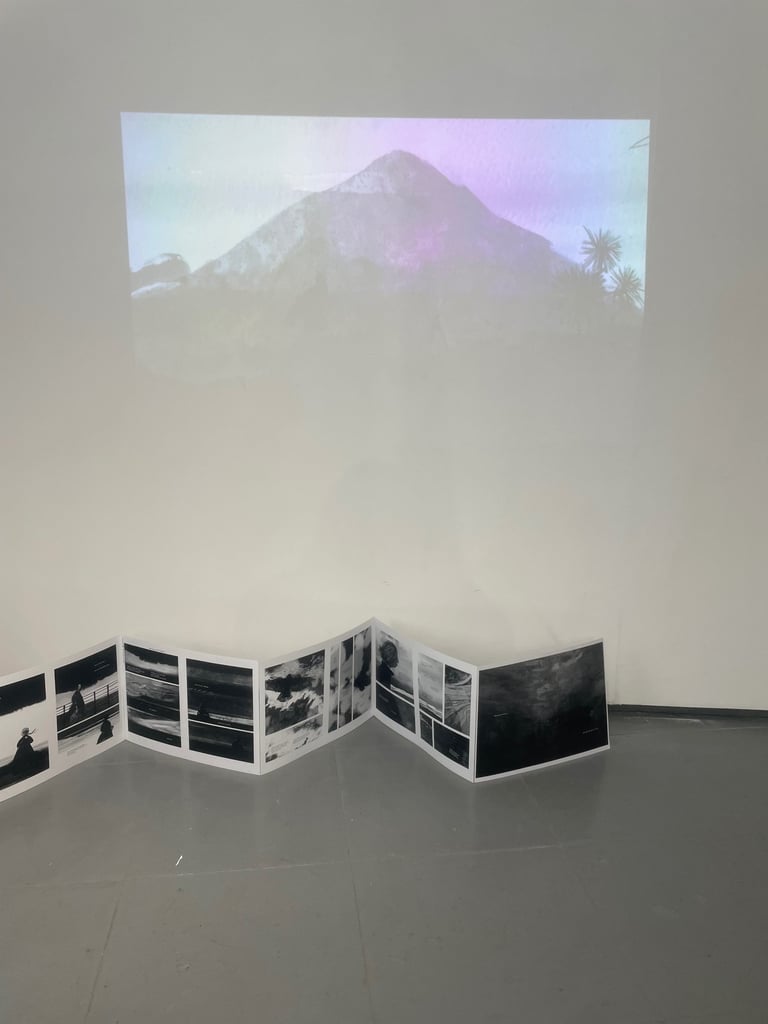
Formally, the project is developed as a series of zines, with each chapter produced as a standalone publication. This modular structure reflects how stories are carried in reality: fragmentary, relational, and shaped through encounter. Drawing, archival material, field notes, and visual silence are used to create space for what cannot be easily articulated. Meaning emerges through gaps, pauses, and repetition, rather than linear explanation.
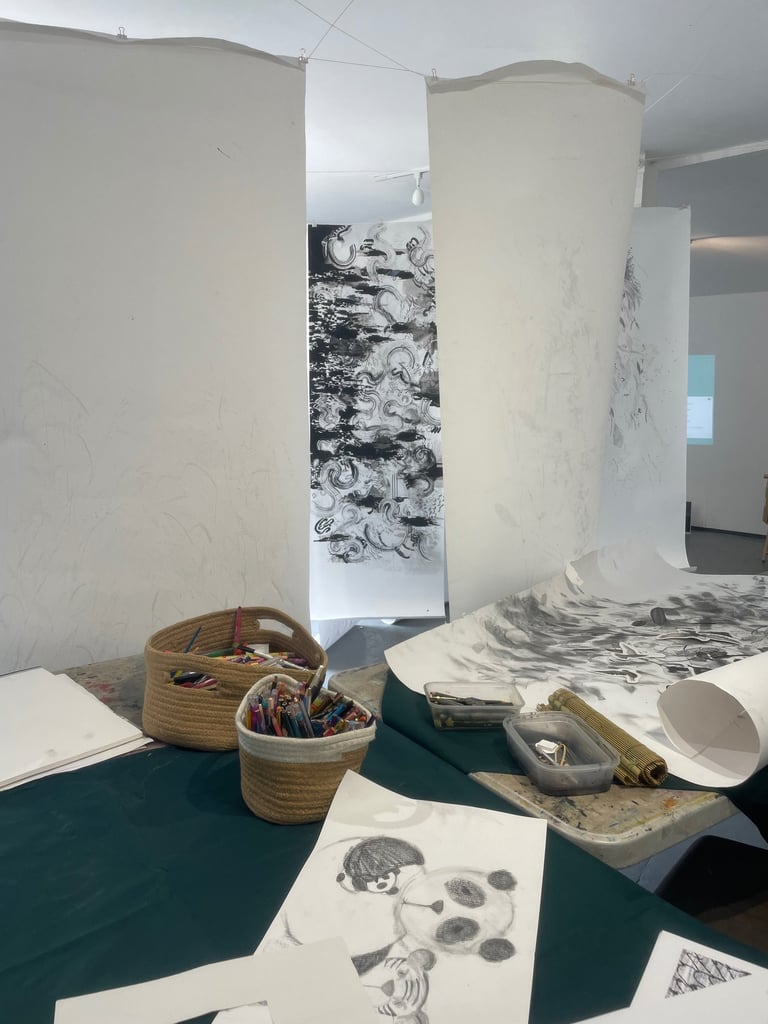
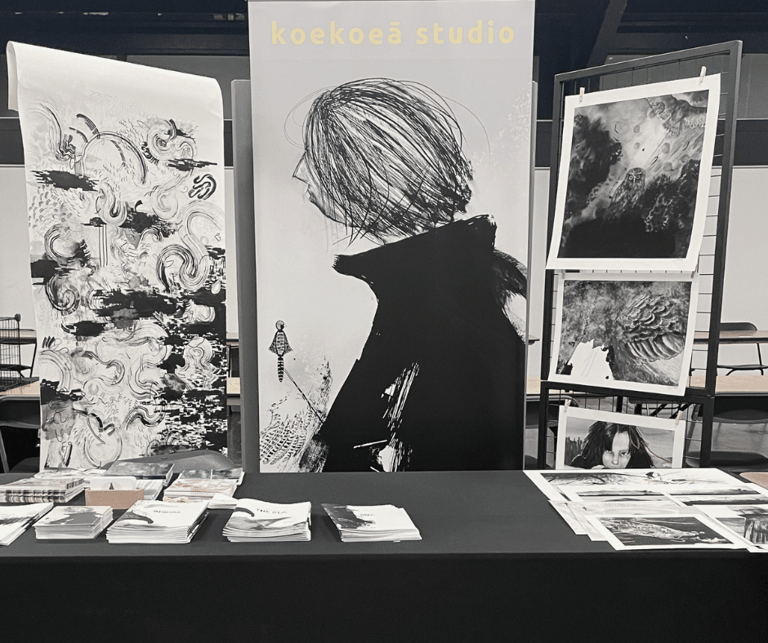
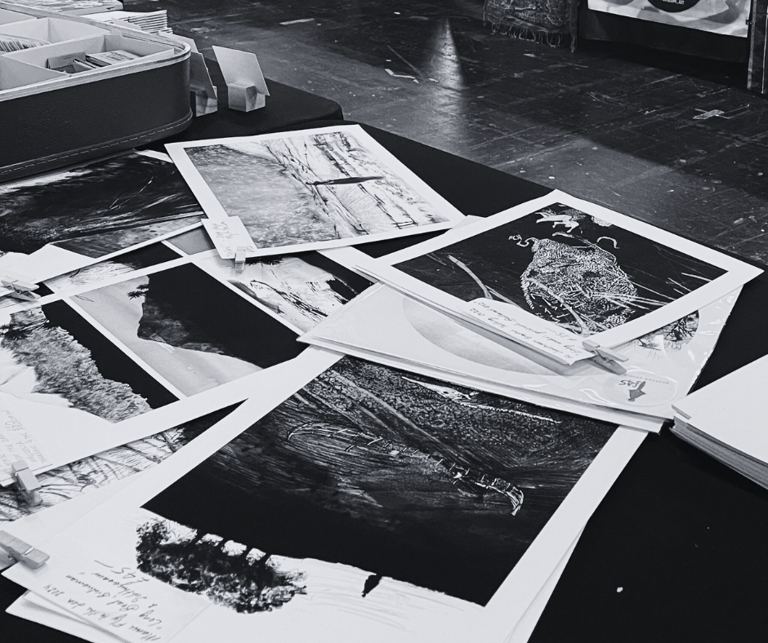
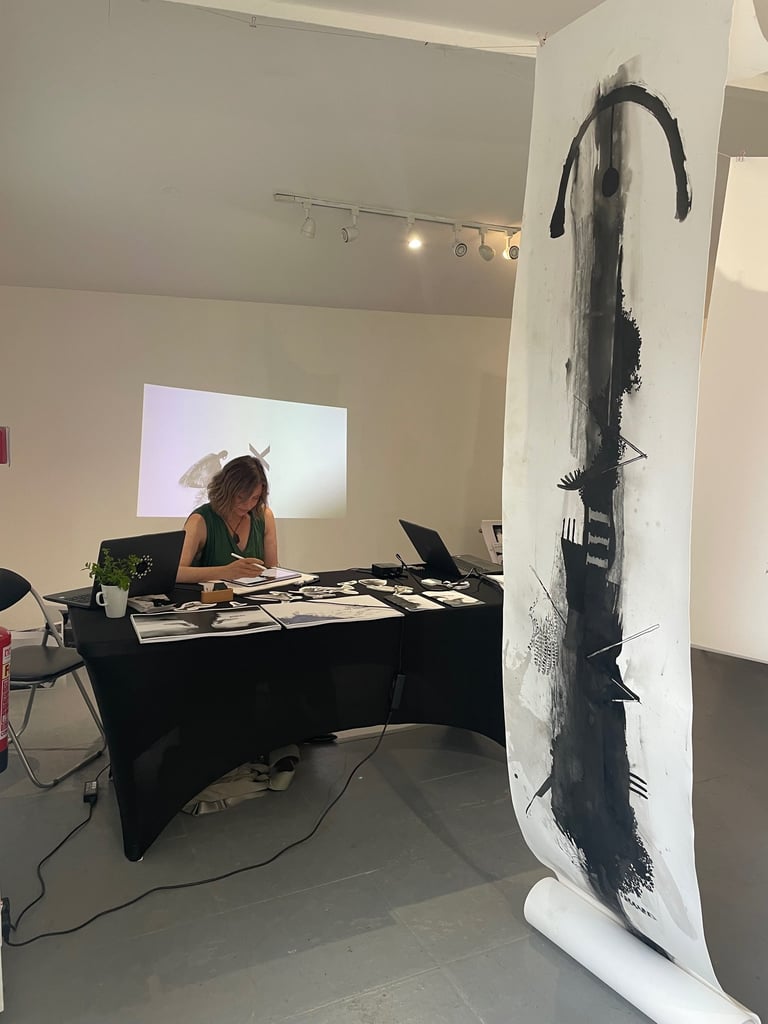
Manu Fly to the Sea is not conceived as a closed work. It is shaped through conversation, readership, and shared attention. Publishing the chapters as zines allows the project to remain porous and responsive, treating exhibition and tabling as sites of dialogue rather than display. In this way, the work understands storytelling itself as a practice of sovereignty: something made, held, and continually remade through relationship.